Safety Tips for Outdoor Group Activities: Your Complete Guide
 Derek Palmisano
Safety Tips for Outdoor Group Activities: Your Complete Guide to Injury-Free Fitness
Outdoor group exercise offers tremendous physical, mental, and social benefits, but like any physical activity, it carries inherent risks. Understanding and implementing proper safety protocols allows you to maximize the advantages of outdoor fitness while minimizing the chances of injury, illness, or emergency situations. This comprehensive guide covers essential safety considerations for all types of outdoor group activities.
Pre-Activity Preparation: Setting Yourself Up for Success
Safety begins long before you arrive at the meeting location. Proper preparation ensures you're physically ready, appropriately equipped, and informed about potential challenges.
Assess Your Fitness Level Honestly
One of the most common causes of outdoor exercise injuries is attempting activities beyond your current fitness level. BeachFit's five-tier difficulty system (family-friendly, beginner, intermediate, difficult, very difficult) helps match activities to capabilities, but honest self-assessment remains crucial.
If you're new to exercise or returning after a break, start with family-friendly or beginner-level activities. These provide opportunities to gauge your fitness, learn proper form, and build confidence before progressing to more challenging events. Research on injury prevention emphasizes that gradual progression significantly reduces injury risk compared to sudden increases in activity intensity or duration [1].
Communicate with Event Hosts
Before attending any activity, review the event description thoroughly and contact the host with questions about pace, terrain, required fitness level, or specific concerns. Good hosts appreciate questions and will help you determine if an activity suits your needs. If you have injuries, chronic conditions, or physical limitations, inform the host in advance so they can provide appropriate modifications or suggest alternative activities.
Medical Considerations and Clearance
Individuals with chronic health conditions (heart disease, diabetes, asthma, joint problems) should consult healthcare providers before beginning new exercise programs, particularly high-intensity outdoor activities. While regular physical activity benefits most conditions, certain activities may require modifications or medical supervision.
Carry necessary medications (inhalers, glucose tablets, EpiPens) during activities and inform at least one participant or the host about your condition and medication location. This simple step can prove lifesaving in emergency situations.
Essential Equipment and Clothing
Proper attire and equipment significantly impact both safety and enjoyment of outdoor activities. The specific requirements vary by activity type, but certain principles apply universally.
Footwear: Your Foundation for Safe Movement
Appropriate footwear represents the single most important equipment decision for outdoor exercise. Different activities demand specific shoe characteristics:
| Activity Type | Footwear Requirements | Key Features |
|---|---|---|
| Trail Running/Hiking | Trail running shoes or hiking boots | Aggressive tread, ankle support, rock plate protection |
| Beach Activities | Water shoes or barefoot | Quick-drying, sand-resistant, grip on wet surfaces |
| Urban Running/Walking | Running shoes with cushioning | Shock absorption, arch support, breathability |
| Field Sports | Athletic shoes with lateral support | Stability for side-to-side movement, traction |
| Water Activities | Water shoes or sport sandals | Drainage, secure fit, protection from sharp objects |
Worn-out shoes lose cushioning and support, increasing injury risk. Replace athletic shoes every 300-500 miles of use or when you notice visible wear patterns, compressed cushioning, or decreased comfort [2].
Clothing for Variable Conditions
Outdoor exercise exposes you to changing weather conditions, making appropriate clothing essential for comfort and safety. The layering system provides flexibility to adapt to temperature fluctuations:
Base Layer: Moisture-wicking fabrics (synthetic or merino wool) that pull sweat away from skin, preventing chafing and maintaining body temperature regulation. Avoid cotton, which retains moisture and can lead to hypothermia in cold conditions or excessive heat in warm weather.
Mid Layer: Insulating layer (fleece or lightweight down) for warmth in cold conditions. This layer should be easily removable as your body temperature rises during exercise.
Outer Layer: Weather-resistant shell for protection against wind, rain, or snow. Look for breathable materials that allow moisture vapor to escape while blocking external elements.
For warm weather activities, light-colored, loose-fitting clothing reflects sunlight and promotes air circulation. Long sleeves and pants provide sun protection and reduce exposure to insects and vegetation hazards like poison ivy or thorns [3].
Sun Protection: Non-Negotiable for Outdoor Exercise
Ultraviolet radiation exposure during outdoor activities increases skin cancer risk and can cause painful sunburns that interfere with future participation. Comprehensive sun protection includes multiple strategies:
Apply broad-spectrum sunscreen with SPF 30 or higher to all exposed skin 15-30 minutes before outdoor activity. Reapply every two hours or immediately after heavy sweating or water exposure. Many exercisers neglect reapplication, significantly reducing protection [4].
Wear wide-brimmed hats that shade face, ears, and neck. Baseball caps protect the face but leave ears and neck vulnerable. For water activities, consider rash guards or UV-protective clothing with UPF (Ultraviolet Protection Factor) ratings.
UV-blocking sunglasses protect eyes from both immediate discomfort and long-term damage. Look for glasses that block 99-100% of UVA and UVB radiation and provide wraparound coverage to prevent light entry from sides.
Hydration Systems and Nutrition
Dehydration impairs both physical performance and cognitive function, increasing injury risk and reducing enjoyment. Hydration needs vary based on activity intensity, duration, temperature, and individual sweat rates, but general guidelines provide starting points.
For activities under one hour, drinking 16-20 ounces of water 2-3 hours before exercise and 7-10 ounces every 10-20 minutes during activity typically maintains adequate hydration [5]. Longer activities require additional strategies, including electrolyte replacement and carbohydrate intake.
Carry water in handheld bottles, hydration packs, or waist belts depending on activity type and personal preference. For group activities, verify whether water will be available at the location or if you need to bring your own.
Safety and Communication Devices
Modern technology provides powerful safety tools for outdoor activities. At minimum, carry a fully charged mobile phone in a waterproof case or bag. Share your location with a trusted contact and establish a check-in time, particularly for activities in remote areas.
Consider additional safety devices for wilderness activities:
- GPS devices or smartphone GPS apps: Prevent getting lost and allow emergency services to locate you if needed
- Whistles: Carry a loud whistle to signal for help; three short blasts is the universal distress signal
- Headlamps or flashlights: Essential if activities might extend into low-light conditions
- First aid kits: Basic supplies for treating minor injuries, blisters, or unexpected situations
Weather-Specific Safety Considerations
Weather conditions dramatically impact outdoor exercise safety. Understanding how to adapt to various weather scenarios prevents illness and injury.
Hot Weather Exercise: Preventing Heat-Related Illness
Heat-related illnesses range from mild heat cramps to life-threatening heat stroke. The National Weather Service emphasizes that heat illnesses are preventable through proper precautions [6].
Timing Strategies: Schedule activities before 10 a.m. or after 3 p.m. to avoid peak heat and UV radiation. The hottest part of the day typically occurs between noon and 3 p.m., when heat stress risk peaks [7].
Acclimatization: If you're new to exercising in heat or traveling to warmer climates, allow 10-14 days for heat acclimatization. Start with shorter, less intense activities and gradually increase duration and intensity as your body adapts. Acclimatized individuals sweat more efficiently and maintain lower core temperatures during exercise [8].
Hydration Strategies: Drink water before feeling thirsty; thirst indicates you're already mildly dehydrated. For activities exceeding one hour or involving heavy sweating, include electrolyte-containing beverages to replace sodium and other minerals lost through sweat.
Warning Signs of Heat Illness: Recognize symptoms requiring immediate action:
- Heat cramps: Painful muscle spasms, typically in legs or abdomen
- Heat exhaustion: Heavy sweating, weakness, dizziness, nausea, headache
- Heat stroke: Confusion, loss of consciousness, hot dry skin, rapid pulse (medical emergency)
If anyone shows signs of heat illness, stop activity immediately, move to shade, provide cool water, and apply cool wet cloths to skin. Heat stroke requires emergency medical attention.
Cold Weather Exercise: Preventing Hypothermia and Frostbite
Cold weather exercise presents different challenges but remains safe with appropriate precautions. Research demonstrates that outdoor exercise benefits persist in cold weather, and many athletes prefer cooler temperatures for high-intensity activities [9].
Layering Strategy: Dress in layers that can be removed as body temperature rises. A common mistake is overdressing, which leads to excessive sweating that can cause rapid cooling when activity intensity decreases.
Extremity Protection: Fingers, toes, ears, and nose are most vulnerable to frostbite. Wear insulated gloves or mittens (mittens provide better warmth), warm socks, and hats that cover ears. Consider face masks or balaclavas for extreme cold or high winds.
Wind Chill Awareness: Wind dramatically increases heat loss from exposed skin. Check wind chill values before outdoor activities and adjust plans accordingly. Wind chills below -18°F (-28°C) create high frostbite risk within 30 minutes of exposure [10].
Hypothermia Recognition: Early symptoms include shivering, confusion, slurred speech, and loss of coordination. If hypothermia is suspected, move the person to shelter, remove wet clothing, and provide warm (not hot) beverages if they're conscious and able to swallow.
Rain and Wet Conditions
Rain doesn't necessarily preclude outdoor exercise, but it requires additional safety considerations. Wet surfaces increase slip and fall risks, particularly on trails, rocks, or painted surfaces. Reduce pace and take shorter strides to maintain stability on slippery terrain.
Waterproof or water-resistant outer layers keep you dry and maintain body temperature. Wet clothing accelerates heat loss, increasing hypothermia risk even in moderate temperatures. Bring dry clothes for after activity to prevent post-exercise cooling.
Visibility decreases in rain, fog, or mist. Wear bright colors or reflective materials, and carry lights if conditions are dim. Be especially cautious near roads, as drivers have reduced visibility and longer stopping distances on wet pavement.
Lightning Safety: When to Cancel or Postpone
Lightning poses serious risks during outdoor activities. The "30-30 rule" provides guidance: if you see lightning and hear thunder less than 30 seconds later, seek shelter immediately. Remain sheltered for 30 minutes after the last thunder [11].
Avoid being the tallest object in an area, standing near isolated tall objects (trees, poles), or being in or near water during thunderstorms. If caught in the open with no shelter available, crouch low with feet together, minimizing contact with the ground.
Event hosts should monitor weather forecasts and have cancellation protocols for severe weather. Participants should never feel pressured to continue activities when weather conditions become dangerous.
Terrain and Environmental Hazards
Different outdoor environments present unique challenges requiring specific awareness and precautions.
Trail Safety: Navigation and Hazards
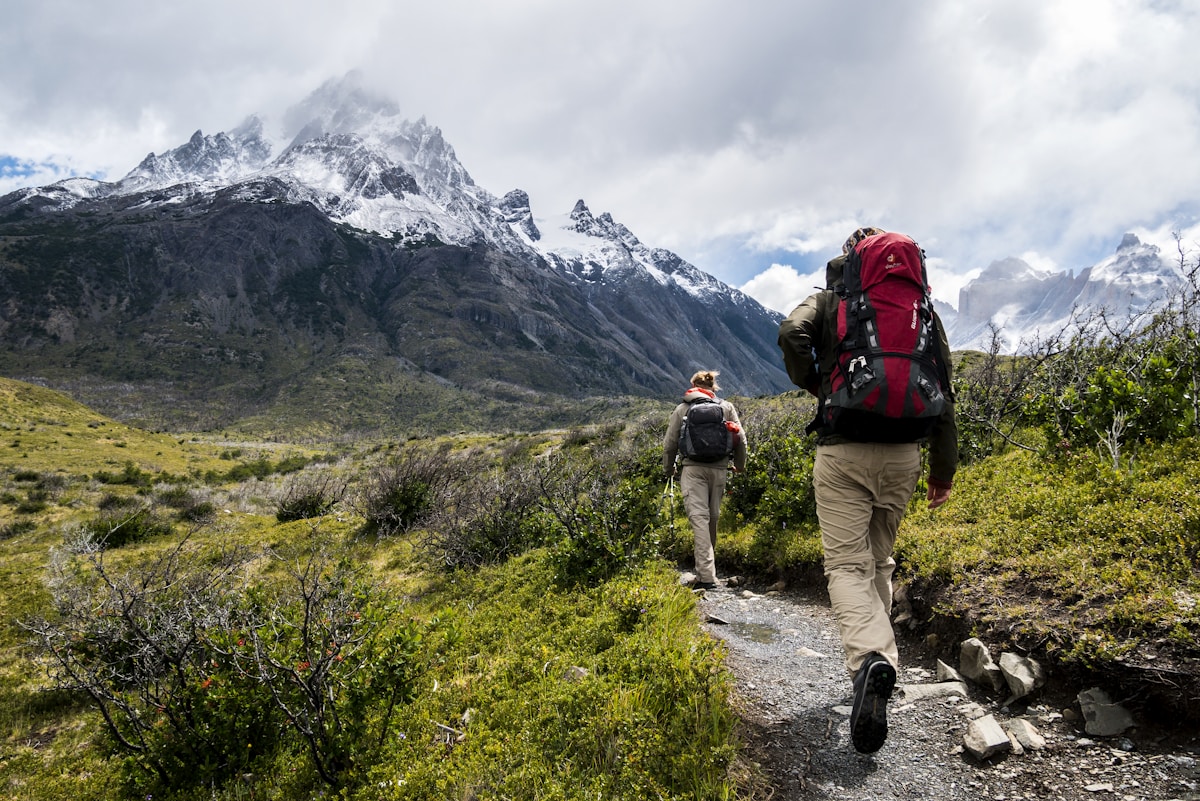
Trail activities offer beautiful scenery and varied terrain but require attention to multiple hazards. Stay on marked trails to avoid getting lost, prevent erosion, and minimize encounters with wildlife or hazardous plants. Trails often feature uneven surfaces, roots, rocks, and elevation changes that demand constant attention [12].
Watch several steps ahead to identify obstacles and plan foot placement. Fatigue reduces attention and coordination, increasing trip and fall risks. If you feel excessively tired, slow down or take breaks to maintain safe movement patterns.
Inform someone of your planned route and expected return time. Carry trail maps or use GPS apps with downloaded offline maps in case cellular service is unavailable.
Water Safety for Beach and Aquatic Activities
Water-based activities introduce drowning risks, even for strong swimmers. Never participate in water activities alone; the buddy system provides immediate assistance if problems arise. Be aware of water conditions including currents, tides, waves, and underwater hazards.
Rip currents are particularly dangerous at ocean beaches. If caught in a rip current, swim parallel to shore until free of the current, then swim back to shore. Fighting directly against the current leads to exhaustion [13].
Wear Coast Guard-approved life jackets for activities like paddleboarding, kayaking, or open water swimming if you're not a strong swimmer or in challenging conditions.
Wildlife Awareness and Avoidance
Outdoor activities occur in wildlife habitats, requiring respectful awareness. Most wildlife avoids humans, but encounters can occur, particularly during dawn and dusk when many animals are most active.
Make noise while moving through areas with limited visibility to alert animals to your presence. Traveling in groups provides additional safety, as wildlife is less likely to approach larger groups. Never approach, feed, or attempt to photograph wildlife at close range.
For activities in areas with specific wildlife concerns (bears, mountain lions, venomous snakes), research appropriate prevention and response strategies. Local parks and recreation departments provide region-specific guidance.
Insect Protection and Plant Hazards
Insects present nuisances ranging from minor irritation to serious health risks. Apply insect repellent containing DEET, picaridin, or oil of lemon eucalyptus to exposed skin and clothing. Wear long sleeves and pants when hiking through areas with high tick populations, and conduct thorough tick checks after activities [14].
Learn to identify hazardous plants in your region, particularly poison ivy, poison oak, and poison sumac. The phrase "leaves of three, let it be" helps identify poison ivy and poison oak. If exposed, wash affected skin with soap and water as soon as possible to remove urushiol oil.
Group-Specific Safety Protocols
Group activities introduce social dynamics that can enhance safety through shared awareness and assistance, but also create unique considerations.
Communication Within Groups
Establish communication protocols before activities begin. Identify the leader and sweep (person at back ensuring no one falls behind). Agree on signals for stopping, slowing down, or alerting others to hazards.
For larger groups or varied fitness levels, consider breaking into smaller sub-groups with similar paces. This prevents faster participants from leaving slower ones behind while allowing everyone to exercise at appropriate intensities.
Carry whistles for emergency signaling. Three short blasts universally signals distress and need for assistance.
Pace Management and Inclusivity
Group activities should accommodate the slowest participant, not push everyone to match the fastest. Hosts should clearly communicate expected pace in event descriptions, but remain flexible to adjust based on actual participant capabilities.
Implement regular check-in points where groups regroup, allowing faster participants to rest while slower ones catch up. This maintains group cohesion and ensures no one becomes separated or lost.
Emergency Action Plans
Every group activity should have a basic emergency action plan. Identify participants with first aid training or medical backgrounds. Ensure at least one person carries a first aid kit and knows how to contact emergency services.
Know the location of the nearest road access, parking area, or landmark that can be communicated to emergency responders. In remote areas, GPS coordinates provide precise location information.
Personal Responsibility and Risk Awareness
While BeachFit facilitates connections between participants, each individual bears responsibility for their own safety. The platform provides information and community, but does not organize, supervise, or control events.
Informed Consent and Risk Acknowledgment
Outdoor physical activities carry inherent risks including but not limited to: falls, collisions, overexertion, environmental exposure, wildlife encounters, and equipment failure. By participating, you acknowledge these risks and accept responsibility for your safety.
Read and understand BeachFit's Terms of Service, which outline the relationship between the platform, hosts, and participants. BeachFit LLC is not liable for injuries, accidents, or losses incurred during activities.
Trust Your Instincts
If an activity, situation, or environment feels unsafe, trust your judgment. You have the right to decline participation, modify your involvement, or leave any activity without explanation. Your safety and comfort take precedence over social pressure or commitment to completing an activity.
Continuous Learning and Skill Development
Safety knowledge evolves, and different activities require specific skills. Seek training in relevant areas such as first aid, CPR, wilderness survival, or activity-specific techniques. Many communities offer free or low-cost courses through recreation departments, healthcare systems, or outdoor organizations.
Building a Culture of Safety
As the BeachFit community grows, every participant contributes to the overall safety culture. Report unsafe practices or conditions to event hosts or through the platform. Share safety tips and lessons learned in event group chats or reviews.
Experienced participants can mentor newcomers, helping them understand safety protocols and build confidence. This peer-to-peer knowledge transfer strengthens community bonds while promoting safer practices.
Safety and enjoyment are not opposing goals—they work synergistically. Proper safety practices prevent injuries that would interrupt your fitness journey, allow you to exercise with confidence, and ensure outdoor activities remain positive experiences that you'll continue long-term.
By implementing these evidence-based safety strategies, you protect yourself and contribute to a community culture that values both adventure and responsibility. The outdoors offers incredible opportunities for fitness, connection, and personal growth. Approaching these opportunities with knowledge, preparation, and respect for inherent risks allows you to fully embrace outdoor group exercise while minimizing preventable harm.
References
[1] Hopkins Medicine. Preventing Sports Injuries. Retrieved from https://www.hopkinsmedicine.org/health/conditions-and-diseases/sports-injuries/preventing-sports-injuries
[2] MS Physical Therapy. (2024). Injury Prevention in the Gym: How To Safely Maximize Your Workouts. Retrieved from https://msphysicaltherapy.com/injury-prevention-in-the-gym-how-to-safely-maximize-your-workouts/
[3] ThedaCare. (2025). ThedaCare Shares Safety Tips for Exercising Outdoors. Retrieved from https://thedacare.org/news-and-events/thedacare-shares-safety-tips-for-exercising-outdoors/
[4] MultiCare. (2025). Your guide to safe summer workouts. Retrieved from https://www.multicare.org/vitals/your-guide-to-safe-summer-workouts/
[5] Penn State Health News. (2025). The Medical Minute: Top 7 tips for safe outdoor exercise. Retrieved from https://pennstatehealthnews.org/2025/06/the-medical-minute-top-7-tips-for-safe-outdoor-exercise/
[6] National Weather Service. Outdoor Activities: Heat Safety and Preparedness. Retrieved from https://www.weather.gov/rnk/outdoorsheat
[7] Marquette Today. (2023). Safety tips for exercising outdoors. Retrieved from https://today.marquette.edu/2023/06/safety-tips-for-exercising-outdoors/
[8] OSHA. Overview: Working in Outdoor and Indoor Heat Environments. Retrieved from http://www.osha.gov/heat-exposure
[9] Bramwell, R. C., et al. (2023). The Effect of Outdoor and Indoor Group Exercise Classes on Psychological Stress in College Students. Journal of Physical Activity and Health. Retrieved from https://pmc.ncbi.nlm.nih.gov/articles/PMC10464750/
[10] NOAA. (2022). The Great Outdoors: Weather Safety. Retrieved from https://www.noaa.gov/explainers/great-outdoors-weather-safety
[11] Cal OES. (2023). Safety Tips for Outdoor Activities. Retrieved from https://www.news.caloes.ca.gov/safety-tips-for-outdoor-activities/
[12] IDEA Health & Fitness Association. (2025). Safe and Effective Outdoor Workouts. Retrieved from https://www.ideafit.com/outdoor-exercise/
[13] Ready.gov. Extreme Heat. Retrieved from https://www.ready.gov/heat
[14] Cal OES. (2023). Safety Tips for Outdoor Activities. Retrieved from https://www.news.caloes.ca.gov/safety-tips-for-outdoor-activities/